5 Reasons to Start a Winter Garden
Reasons to start a winter garden may vary slightly depending on where you live. But, winter gardening is easy to manage by choosing easy, cold-hardy plants to grow. Whether you live in a growing zone that has snow or not, there are many frost-tolerant plants and crops that can be easily maintained through winter. In this post, we will cover 5 reasons to start a winter garden that you can easily manage.
This post may contain affiliate links. When you shop through them, I may earn a small commission that blesses our large family at no extra cost to you. Thank you!
Reasons to start a winter garden may vary slightly depending on where you live. But, winter gardening is easy to manage by choosing easy, cold-hardy plants to grow. Whether you live in a growing zone that has snow or not, there are many frost-tolerant plants and crops that can be easily maintained through winter. In this post, we will cover 5 reasons to start a winter garden that you can easily manage. For 15 Foods that Can Grow Well in Winter, read here!
Hi, I’m Priscilla!
As a young, growing family facing job loss in 2013, with a toddler and a newborn baby, I wanted to learn how to grow food to supplement our rising grocery bill, but I had no experience. So, I called on my mom to help me start my first garden as cheap as possible. I remember her stewarding a small garden from time to time when I was growing up. We started one with blocks, soil, seeds, and a few starters that she helped me invest in. And that’s how I started!
Before I was a homesteading, homeschooling mom I was a professional musician and music teacher. I carried over my teaching experience into homeschooling my children, but I learned it was much different teaching your own children. And, when I started homesteading, I started with NO experience. It was something I never imagined doing. I had to do a lot of researching and learning each season. So, I know how hard it is to start homeschooling and homesteading with no experience!
After 2020
After the events of 2020, we saw the vital need to learn to grow, raise, and store real God-given food in abundance, and continue homeschooling all of our children. We felt God had a new call and season for us. So in 2021, we left everything behind, and moved from northwest Indiana to southern Georgia. And we just got started!
How we can help you
Now, I’ve homeschooled for 11 years and have 6 children of homeschool age with 1 more in waiting. And, we established our homestead in 2021 with lots of research and no experience. We built up gardens and livestock and had a small farmstead business within 2 years. We stewarded a small farmstead by selling fresh eggs and healthy chickens to many happy customers!
Also, we started taking and completing several homesteading courses by experts at the School of Traditional Skills, and we continue our education every year. And, I’m always looking for ways to make things more time efficient by making them simpler to do and sustainable. When things are simpler, they are more sustainable in our already full lives.
But, an unexpected turn of events landed us in a rental home in an HOA neighborhood while we search for land. We proved to ourselves that we could still homestead even with all the restrictions. We knew if we could do it, others could do it too! So, we started this blog and our newsletter to equip modern families to live abundantly in their homesteads and homeschools no matter where they live and with no overwhelm or burn out. NO EXPERIENCE NECESSARY! We offer and affordable solutions, free printables, resources, and encouragement for your Christ-centered beginner homesteading, homeschooling journey.
What is winter gardening?
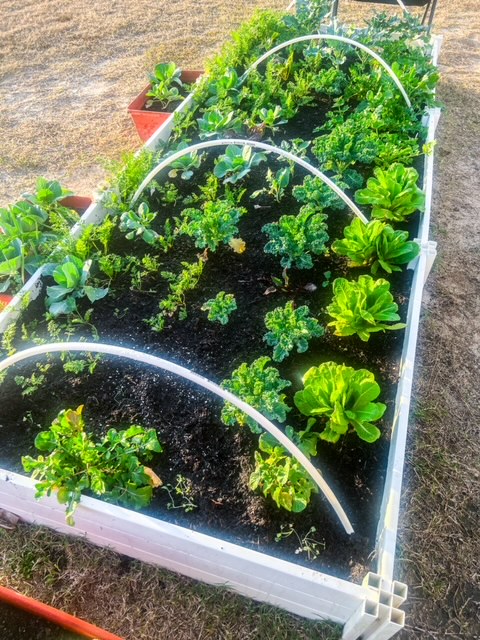
Winter gardening is gardening with a focus on vegetables and herbs that thrive in cooler temperatures. These plants are typically frost-tolerant. Winter gardening is a way to maximize food production and have fresh produce year-round. Another benefit to winter gardening is that you can grow and eat fresh greens since greens do not always store and preserve the best.
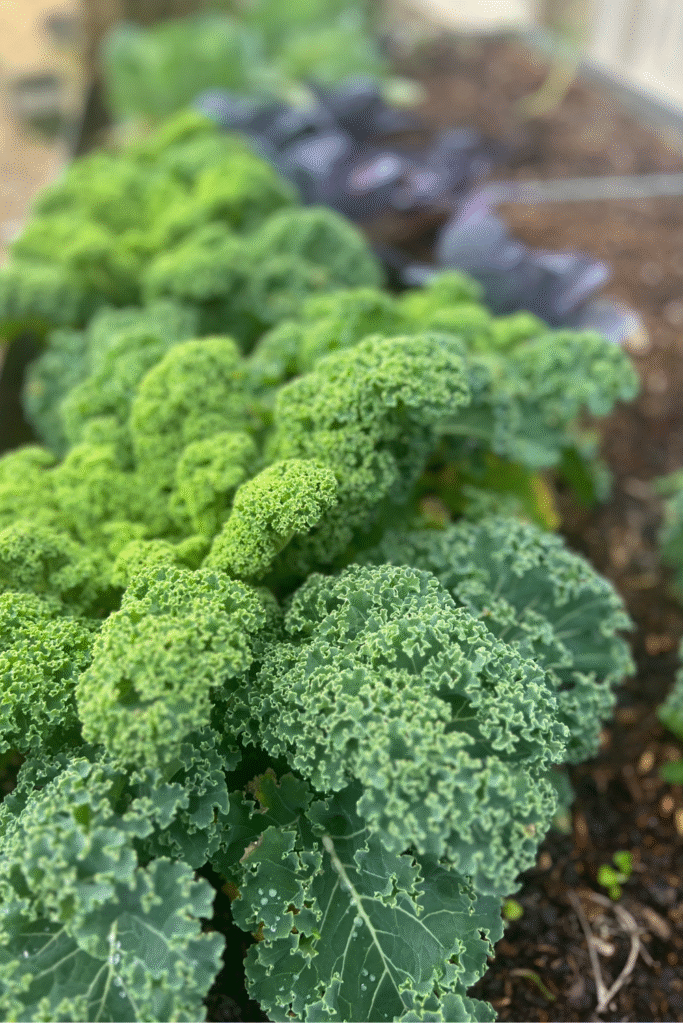
Many people think of winter as a time without fresh greens and only associate summer with fresh greens. However, that is a myth! Almost all greens are frost-tolerant and thrive in cooler temperatures. Winter gardening with greens can also be way easier and more productive because there is little to no disease or pest issues in winter gardening. However, that’s just part of the reason we enjoy winter gardening.
Can a beginner garden in winter?
Yes! We help a lot of beginners here. Winter gardening for beginners is basically a way to garden that is easy to manage by choosing easy, cold-hardy plants to grow in proper growing zones. This post does not have an exhaustive list of cold-hardy crops and varieties. But, we give you 15 cold-hardy plants that are also easy maintenance. That means that your winter garden should be simple. If you have followed us you know that we value simple.
Not that we throw out technology and totally clothe ourselves with the “simple” or “minimal” life. But, we value our time and growing our skills to live in abundance now and in the future no mater what the future holds. So, we create simple tools, free printables, and products, as well as provide people simple information and simple tools for their homesteading and homeschooling journey for an abundant life. Why? Because when something is simple in our lives it becomes sustainable!
How do you garden in snow?
Well, many of these (and other cold-hardy plants not listed here) are frost-tolerant. However, many plants still have a minimum temperature that the plant itself can handle. But, if it snows, snow actually acts like a blanket to plants allowing them to survive even colder temperatures! That’s so cool! So, don’t rush to clean the snow off your garden!
Also, it is good to know how cold of temperatures the plants you choose can handle. A good tip is to specifically choose varieties that are good for winter in your zone making sure the variety can handle your climate’s winter lows. If there are not varieties that can handle the lows in your area, all you have to do is consider a small greenhouse, greenhouse covers for raised beds, or even row crop covers that act like a greenhouse to individual rows of crops. Row crop covers are fairly inexpensive and you can cover them at night or in coldest temperatures, and you can uncover them in warmer temperatures (like the middle of the day or a warm day).
5 Reasons to Start a Winter Garden:
1. The climate/weather for growing a garden in winter is still possible!
Well, for us, we live in zone 8b in southern Georgia, and our winters do not get very cold. Last winter was the first snow in so many years that the region like shut down. People prepared like they do for a hurricane! So, needless to say, we have a pretty mild winter to keep growing food in. But, even in cold climates there are several vegetables and herbs that are frost-tolerant and thrive in cooler temperatures.
You may be familiar with cold-weather crops that can be started in late winter before spring and in fall. Some people choose to make this part of their growing season and take the actual winter off. Some zones have temperatures so cold that winter gardening would require indoor gardening, greenhouses, rows, cold frames, or other measures to be successful.
Depending on where you live, and how much space/food you have to grow, will can also determine whether or not you take the winter “off” of gardening. Here, we like to utilize winter gardening so that we can have fresh food all year and because we currently have limited space. So, this takes us into our next point.
2. Keep growing food if you have limited space or smaller gardens.
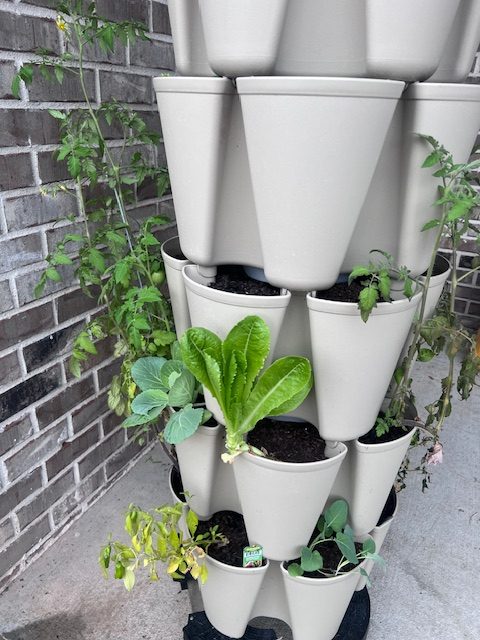
If you know about our current story, we are living temporarily in a rental home in an HOA neighborhood.. and still homesteading! There are restrictions, like we can’t have our chickens, and space is limited, but we have found several ways to continue homesteading. Some of those are by maintaining a smaller outdoor garden, container garden, and indoor gardening. So, winter gardening in a smaller garden set up allows us to continue producing fresh food and storage crops for our family in a way that is manageable, not overwhelming.
Even if it isn’t a lot of food, every little bit helps. The more you grow the less you need to buy at the store. Since we do not have a lot of land yet that can produce large amounts of food for our family, we love to garden through fall and winter to keep providing vegetables and herbs. Growing in smaller gardens isn’t as overwhelming as large gardens or crops on land, so maintaining, harvesting, and preserving is very manageable for us. Winter gardening helps ensure we have fresh food even in winter.
3. Winter gardening can produce fresh food and storage crops.
There are many frost-tolerant plants and crops that allow for both fresh eating and storage. I’ve already mentioned fresh greens, but I’ll mention it again because it’s worth it (and just in case you skipped around, don’t skip this) Another benefit to winter gardening is that you can grow and eat fresh greens since greens do not always store and preserve the best.
Many people think of winter as a time without fresh greens and only associate summer with fresh greens. However, that is a myth! Almost all greens are frost-tolerant and thrive in cooler temperatures. Winter gardening with greens can also be way easier and more productive because there is little to no disease or pest issues in winter gardening. The vegetables, like greens, that grow well in winter are some of the most densely nutritious foods which our bodies crave in winter.
Most root vegetables are also frost-tolerant giving you the ability to continue growing storage crops! This is especially helpful if, like us, you are working with limited space and smaller gardens to provide food for your family. You can keep growing all year without overwhelm in smaller gardens and still provide your family with both fresh produce and storage crops to keep the pantry and freezer full.
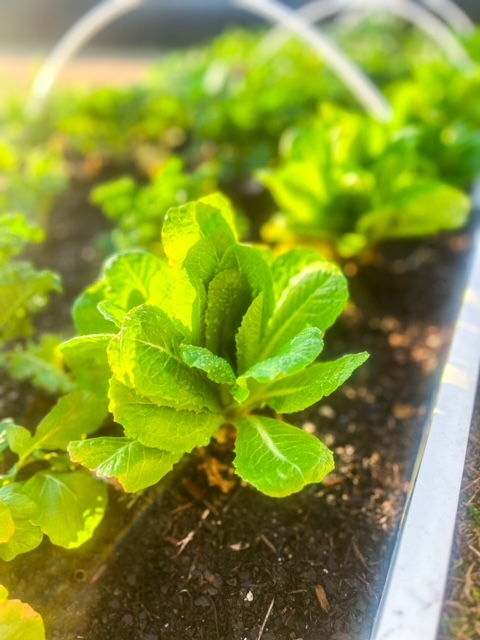
4. Garden with less pests, less disease, and less challenges in general.
Okay, I’m not saying challenges aren’t good. They are how we learn and grow. But, when it comes to your family’s food supply, you don’t want to mess around. I could have made these individual reasons, but I wanted to keep things simple here. Less challenges, better gardening results.
Winter gardening isn’t usually affected by pests!
Cold kills off (or hides) almost all the pests, so it’s one less thing to worry about it, especially here in our southern climate where there are pests I still have yet to identify. Spring and summer gardening will always have the added challenge of pests, but winter gardening AND Fall gardening have not presented us with any pests yet! (Even in our warmer climate.)
Winter gardening also has less disease and less rot.
This is mostly because there is less rain and less humidity. You may live in a climate that gets snow which is moisture, but when properly mulching and protecting, you won’t have to worry about overwatered plants rotting, nor disease.
There is less pollen (or none at all) and cross pollination in winter.
Crops will stay pure causing them to be easier to manage. However, the plants you plant in the winter are usually plants that do not require any pollination. So, you aren’t waiting for those bees to come by in the cold weather to make your crops successful. There are also less sprays in the air from commercial farms.
The major challenges of spring and summer gardening are almost completely stripped away in the fall and winter making it the simplest time of year to garden. If you’ve been around here, you know we are all about making things as simple as possible so that life is delightful and sustainable!
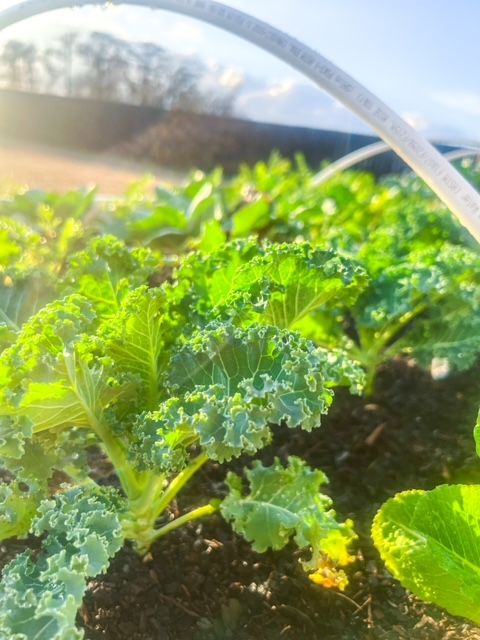
5. No scorching sun or heat in winter gardening.
Yes, I could have grouped this with the challenges above. But, I wanted to chat on this point. Growing food in the garden in winter means that our plants and crops won’t get burned by the heat of the sun like they do in summer here in the south. Frost-tolerant plants and crops that burn up in the summer heat can thrive, even in snow!
Greenhouses are still an option. If it gets extremely cold where you live you may consider a greenhouse or row covers. We, even in the south, use a greenhouse to keep our citrus trees, banana trees, and other tropical plants alive through winter that thrive in summer. So, a greenhouse, or bringing plants indoors, for winter for plants that do better in a warmer climate is an option to keep growing in winter.
15 Frost-tolerant Cold-weather Crops that You Can Grow in Winter:
This is not an exhaustive list. This is a list to help you get started. One key here is to make sure you get varieties of these crops that are meant for your growing zone. It is important that the variety can handle the low temperatures in your area.
These are 15 crops, that we ourselves, usually plant every winter. These healthy foods are part of our reasons to start a winter garden. Read our post on these 15 foods here to learn more about growing them and their health benefits.
- Kale
- Spinach
- Lettuces
- Swiss chard
- Cabbage
- Broccoli
- Cauliflower
- Carrots
- Radishes
- Turnips
- Beets
- Onion
- Garlic
- Parsley
- Cilantro
Conclusion
Winter gardening is gardening with a focus on vegetables and herbs that thrive in cooler temperatures during the winter. Winter gardening is a way to maximize food production and have fresh produce year-round. This is especially helpful if you have a small plot of land or restrictions where you live. Also, winter gardening for beginners is basically a way to garden that is easy to manage by choosing easy, cold-hardy plants to grow in proper growing zones.
We mentioned 15 foods that can grow well in winter making them easy for beginner gardeners. Winter gardening is also easier because there are less pests, disease, heat, and rot to worry about. The root vegetables store well, and the fresh greens provide fresh eating all year. There are so many benefits for winter gardening, and we hope you saw that today.
We hope you’ve enjoyed this post. As always, we want to equip modern families to live abundantly in their homesteads and homeschools no matter where they live and with no overwhelm or burn out. So, we try to provide simple solutions and simple resources, as well as links to other simple resources to help you on your adventure.
If you found it helpful, please share this post and subscribe to our newsletter for more simple solutions, free printables, resources, and encouragement!

Resources for you:
- Free Printables for Homesteading, Homeschooling, and more!
- School of Traditional Skills-where we learned (from experts) almost EVERY homesteading skill we know in bite-sized pieces at our own pace!
Learn more skills:
- Fermenting Course by Lisa Bass
- Best Dehydrator for your Homestead Kitchen
- $20 off Best Mixer for big batches in your Homestead Kitchen
- Non-Toxic Enameled Cast Iron Dutch Oven and Bread Pan
- Sourdough Starter Kit or Sourdough Bundle
- $20 off Our Grain Mill: “the World’s Best”
- Simple Sourdough Course by Lisa Bass
- Freshly Milled Grains Course by Lisa Bass
Pin it for later!:
 12 Homesteading Kitchen Skills to Learn in 12 Months or Less
 4 Questions to Ask Yourself Before You Start Homesteading
 12 Simple Meal Planning Tips from a Homesteading, Homeschooling Mom of 7 for Stress-Free Meal Planning
 15 Foods that Can Grow Well in Winter: Winter Gardening for Beginners | Homesteading and Gardening
Great article! I am saving this and going to give it a try!
So glad you were inspired!
Oh I love this post, this is so helpful! We’re currently covered with snow and below zero with icy winds. Gotta be patient for a little while longer, but I can’t wait to get some greens growing!
Yes! If you have weather conditions like that and do not have greenhouses or other options, waiting a bit for the best time for cold crops in your area is necessary!
What a great encouragement and reminder to garden in the winter! Thank you!
Glad you enjoyed it!