How to Homestead through Transitions | Homesteading and Spiritual Encouragement
Are you in a season of transition where it feels too difficult to homestead? Do you feel guilty because you hold deep values in homesteading? In this post, we will chat about challenging seasons for families that can make them feel like they aren’t progressing, and how to homestead through transitions.
This post may contain affiliate links. When you shop through them, it blesses our family in a small way at no extra cost to you. Thank you!
Seasons of transition can be tough. Maybe you had a new baby, a move, a job change, or multiple things like we did. You may need to pull back all that you do. In fact, we suggest that in challenging times to do less for a season to focus on what’s most important. But, It can feel like you aren’t doing what you need to or want to. Progress can feel slowed or stopped altogether. And, in the midst of it you can feel stress, anxiety, or even guilt when your goals aren’t met.
I know firsthand how hard it can be. We have had seasons of transitions after job changes, church changes, after every birth of our 7 babies, and my husband and I have moved 6 times since having children. Furthermore, we moved from northern Indiana states away down south to Georgia for one of our moves, just moved a 7th time, and it won’t be our last. So, we get it. Into another season of transition we go…
Hi, I’m Priscilla!
As a young, growing family facing job loss in 2013, with a toddler and a newborn baby, I wanted to learn how to grow food to supplement our rising grocery bill, but I had no experience. So, I called on my mom to help me start my first garden as cheap as possible. I remember her stewarding a small garden from time to time when I was growing up. We started one with blocks, soil, seeds, and a few starters that she helped me invest in. And that’s how I started!
Before I was a homesteading, homeschooling mom I was a professional musician and music teacher. I carried over my teaching experience into homeschooling my children, but I learned it was much different teaching your own children. And, when I started homesteading, I started with NO experience. It was something I never imagined doing. I had to do a lot of researching and learning each season. So, I know how hard it is to start homeschooling and homesteading with no experience!
After 2020
After the events of 2020, we saw the vital need to learn to grow and raise real God-given food in abundance, and continue homeschooling all of our children. We felt God had a new call and season for us. So in 2021, we left everything behind, and moved from northwest Indiana to southern Georgia. And we just got started!
How we can help you
Now, I’ve homeschooled for 11 years and have 6 children of homeschool age with 1 more in waiting. And, we established our homestead in 2021 with lots of research and no experience. We built up gardens and livestock and had a small farmstead business within 2 years. We stewarded a small farmstead by selling fresh eggs and healthy chickens to many happy customers!
Also, we started taking and completing several homesteading courses, and we continue our education every year. And, I’m always looking for ways to make things more time efficient by making them simpler to do and sustainable. When things are simpler, they are more sustainable in our already full lives.
But, an unexpected turn of events landed us in a rental home in an HOA neighborhood while we search for land. We proved to ourselves that we could still homestead even with all the restrictions. We knew if we could do it, others could do it too! So, we started this blog and our newsletter to equip modern families to live abundantly in their homesteads and homeschools no matter where they live and with no overwhelm or burn out. NO EXPERIENCE NECESSARY! We offer simple and affordable solutions, free printables, resources, and encouragement for your Christ-centered beginner homesteading, homeschooling journey.
What is our current season of transition?
At the time of this writing, June of 2025, we are in another season of transition. While we will not share the entire story, here is a summary. We’ve been waiting for a few years to move to land to do more on our farmstead/homestead. After our suburban house (where we could still raise chickens) was on the market for over a year, it finally sold. However, after a few months we did not find land or a home we wanted, or that would fit our future.
And because of different circumstances, like the market and the budget, we do not believe we will find it soon. So, we’ve made a tough decision. But, more on that decision later.
First, I want to share with you HOW I kept homesteading through this transition season in hopes that it inspires you and helps you understand how to homestead through transitions in your life. Then, I’ll share just four easy steps to help you figure out how to homestead through transitions of your own.
How I Kept Homesteading through Transitions
While in a temporary situation, I hardly knew what to do and how to keep focusing on my goals while we stayed with family. It wasn’t “my” home. And staying in an even more suburban HOA house than the one we were in running a chicken and egg business, it felt like I couldn’t do anything.
Another reason this season was difficult was because my baby also became active and mobile during this transition. We stayed somewhere that was not baby-proof and was two floors. So, it was hard to keep baby safely active and keep an eye on all seven children to do things, especially homeschooling.
Maybe your season doesn’t have the same restrictions and is more of needing rest like after having a baby or other similar situations. But, I wanted to share our experience in how to homestead through transitions so that no matter what your personal challenges are you can be inspired. My hope is that you feel like you can still do something to keep moving forward. So, here’s what I did and what I did not do (and why) along with some encouragement from Scripture. Also, keep reading for 4 easy steps to homestead through transitions.
What we did to homestead through transitions:
1. Gardened in pots:
I started seedlings, bought seedlings, and I brought them all to my family’s house in pots and containers. I had plants, herbs, bushes, and trees that I already had been growing in pots. But, I also re-potted seedlings and tended to the container garden while in this temporary living situation.
2. Harvested and preserved:
My container garden was not huge, but it was something to keep us going. During the season of our transition, we mostly picked fresh strawberries and tomatoes and ate them right away. We also had a lot of peppers. To harvest them, we dried cayenne peppers, but chopped and froze all of the other varieties of peppers for future cooking.
3. Beekeeping:
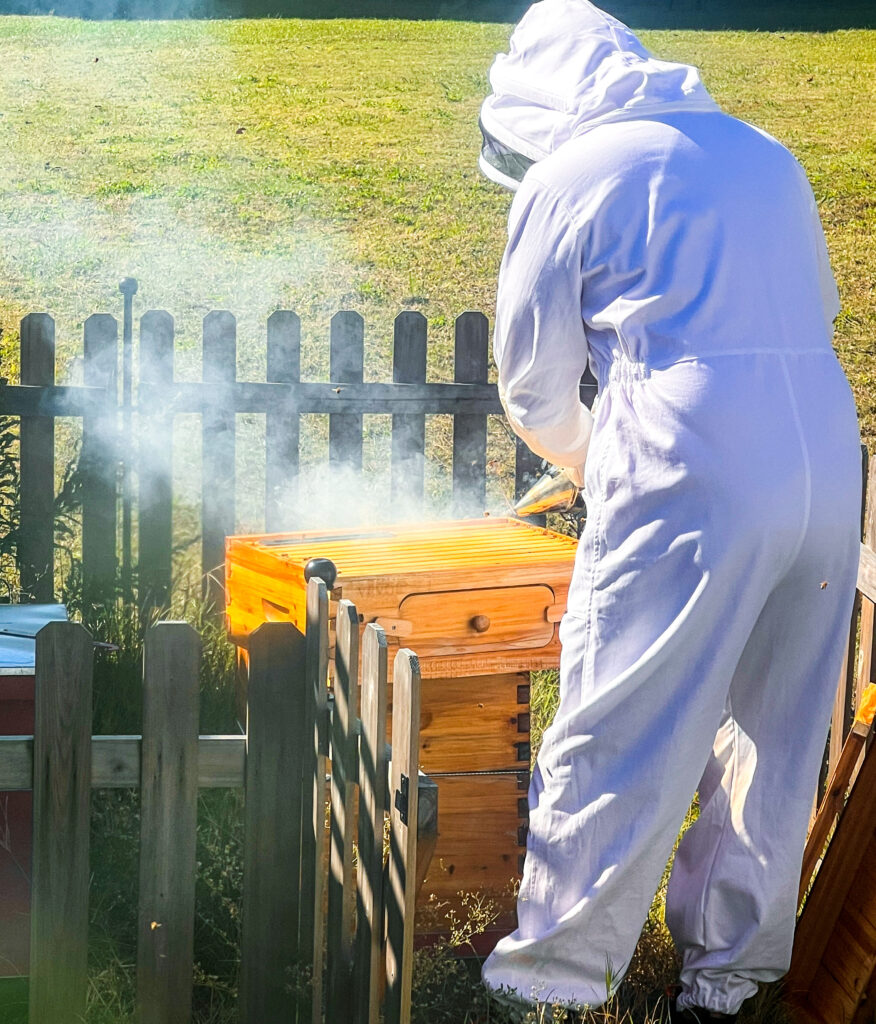
Even though we were staying at an HOA subdivision temporarily, bees are protected in our state, so almost all HOA subdivisions have to allow bees! Typically, any restrictions with bees in an HOA in Georgia are just on amount of square feet per hive, and similar rules. We already have 2 boxes of honey ready for harvesting this Fall!
4. Fed my sourdough:
Okay, so this one part goes under what I did and under what I did not do. The week we moved, I fed my sourdough and put it in the refrigerator to give myself time to transition. However, I did not pull it out soon enough to feed it, and it started to go bad. I started trying to stay in routine to “fix it”, but a new environment with different things in the air (and not enough discipline) caused it to go bad quickly.
I kept trying, but it got so finicky in this new environment when I was used to it being so easy going before. It ultimately went bad because I got out of routine of feeding it. This is the one thing I could have done way better, but failed. And that’s okay! Lesson learned.
I took a couple weeks of a break, and just started over! I got a healthy, active, bubbly new sourdough starter going in about a week! And now, I took that with us where we moved (and this time stayed in routine!) Check this out if you need help getting started with sourdough.

5. Cooked from scratch (sometimes):
This also is another one that falls under both categories. I did not cook from scratch for every or most meals like I used to. My family we were staying with and I took turns cooking dinner. I typically always cooked my kids and I breakfast and lunch, but we took turns with who would cook dinner for everyone. So, for convenience of feeding a lot of people, we sometimes cooked from scratch and sometimes used more convenient foods. There were times we still baked bread or buns and made desserts. More about this is the “didn’t do” section.
6. Chores:
Although we certainly did not take over the house and do our regular chore schedule, we tried to do our part. I helped with cooking, washing dishes, cleaning the toilet, sweeping, vacuuming, etc. The kids did laundry, sweeping, vacuuming, and other chores. My oldest son resumed his regular garbage duties and dog care.
7. Homeschool:
While this is not technically a part of homesteading, it is an incredibly valuable part of our lifestyle. And, on this site we chat about Christ-centered homesteading and homeschooling. We do not really do one without the other!
We had to finish up our school year during our temporary living situation. And, while it was not easy because we were in a very small shared space, we did it!
What we did not do to homestead through transitions:
1. We did not keep chickens:
This was one of the saddest parts for us. We could not have chickens at an HOA house, so a couple months in advance we gave our chickens to a family member in a rural area. This was like starting over to us. It meant no more fresh eggs, no more selling eggs, and meat chickens were already on hold for us. So, this was tough. It felt like going backwards, but we had to do what we had to do and say goodbye to our ladies.

2. I did not cook every meal from scratch:
We cooked some meals from scratch, my daughter made a few desserts, and even family cooked for us. In fact, the temporary situation took a bit of a toll on the routine of our large family, so we even compromised and started buying some processed foods and snacks to help us through this time of transition.
Do I feel great about it? No. But, do I feel guilty? No. It helped my sanity, and helped us keep a better routine to have the temporary help of quick things. I knew it was temporary, and that we would create a new normal in our next home as we settled in.
3. I did not make anything sourdough:
Well, I told you what happened to my starter, but if you keep your starter going, you can keep up with cooking and baking with sourdough. I got my sourdough starter back up and running right before we moved out of my family’s house, so I didn’t get back to sourdough baking in that transition season. However, since the starter is ready and we are going into another transition season (the news is coming), I will be sourdough baking during this new transition time.
4. I did not ferment anything:
Besides sourdough, I also did not ferment anything. Everything I harvested from our container garden we ate fresh, dried it out, or froze it. We did not know how long we would be in this temporary living situation, so it didn’t feel like a good choice to ferment any foods. It would have been another thing to try to remember and more of an added stress in this season than a benefit. However, in many transition situations, fermenting may totally work!
5. I did not practice many homesteading skills.
For sake of space and convenience there were many homesteading skills that I did not practice during this transition. I didn’t do things like render broth, store bacon grease, make any household cleaners or products, dry herbs, do any handiwork crafts, or compost. We did not find a local raw milk source until after we moved out to continue practicing those skills. We also found farm fresh local eggs to purchase.
I also did not work on stocking our pantry for emergencies because I wasn’t in my home. We had many emergency canned foods in storage, so I just kept a small basic pantry and refilled it each week. But maybe in your transition season you can still practice some of these skills.
How to Homestead through Transitions of your own:
That’s how I kept homesteading through a transition. And you can also homestead through transitions. Your transition probably looks different than mine, but the approach is what can be similar! Here are the questions that I asked myself when I considered what to do and what not to do in this season (Get the free printable to go along in our free printable library or fill out the form at the bottom of this post!):
1. What do you want to do most or value most?
Think about the reason you started homesteading in the first place. Was it for health purposes, or to know where your food comes from and what’s in it? Did you start homesteading because you wanted to stop relying on the grocery store and become more self-sufficient? Or, maybe you wanted to learn skills that will hold up during an emergency or crisis?
There are so many possible answers to this. But, when you are in a transition season and you need to back off of some things, you first want to consider why you started in the first place to know what you most want to continue. For us, that was continuing to grow food even if it was in containers and on a much smaller scale than usual. At least we were continuing and would have a start for the next season to build back up.
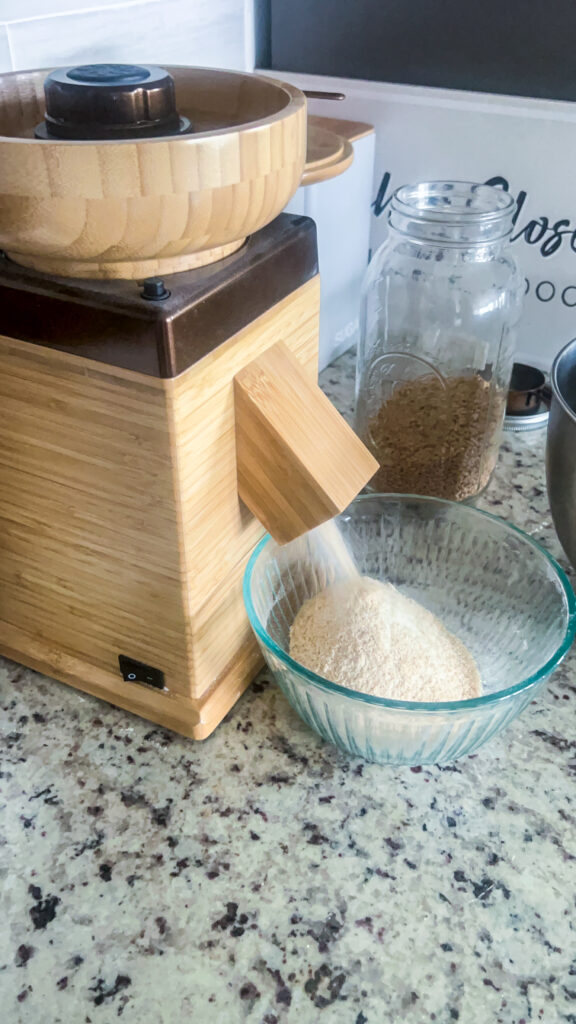
Is baking bread or learning sourdough most important to you? You can start learning all about sourdough here with Lisa Bass from Farmhouse on Boone. What about investing in a grain mill and your health by starting to mill your own grains? You can learn to mill your own grains with this super affordable simple course by Lisa Bass as well. Fermenting foods for probiotics and gut health? Are you more concerned with building up your pantry by buying bulk foods from a market and canning them? Whatever it is for you write it down!
2. What can you absolutely not do?
By this I mean are you in a restrictive situation, like an HOA? Because then you know that you probably can’t raise chickens during this transition, but you can do many other things. Is your transition season healing from an injury? Because your injury and how you need to heal will also determine what you can and can not do for a season, and that may be much less. Did you recently have a baby? In that situation, you may need to rest and heal, do easier skills, eat nutrient-dense food, and just delegate more physical tasks.
There are so many different types of transition seasons and challenges of transitions. But, knowing what you absolutely can not do will help eliminate things altogether to help you know how to homestead through transitions. So, if you wrote down any of these things you can not do in # 1, it’s time to cross it off the list.
3. What can you do?
If that last step felt a little disheartening, this step will help! Brainstorm all the many homesteading skills that you CAN do in your transition season. Can you practice canning? What about growing herbs indoors? Do you want to keep baking bread or sourdough? Do you want to mill grains? Can you grow food in pots? Can you delegate milking the cow to someone else?
This does not mean that you will do everything on this list. That may be overwhelming during a challenging time! But, it will be a great reference and can be encouraging to see how much you still can do and learn. Then, write it out!
4. What will fit in the lifestyle of your transition?
This is similar to the other steps, but will help eliminate tasks and skills even more. You may technically be able to can food in your transition season, but will it be too time-consuming? Cooking everything from scratch might be possible, but will it be too stressful in this time? I encourage you to eliminate the biggest stresses, or delegate them if you can.
If you can’t fully eliminate the biggest stresses, then what can you do to make it easier? Is there a modern convenience that can help? Or, maybe you can do less overall to focus on the bigger task. Transition seasons are hard enough. Really think through what will stress you and what will benefit you. What are the things that fit best in the lifestyle of your transition? Circle those. You found your focuses! You found your way to homestead through transitions!

Conclusion of How to Homestead through Transitions
If you can do it, it fits in your current transition, and it is more of a benefit than a stress in your season, it could be a great skill to continue to homestead through transitions. So, back to our story.
Well, here we are and we finally moved out of a temporary transition situation… into another temporary transition. I know, maybe not the ending you hoped for. We decided to rent for at least one year in the suburbs to stay close to family and keep looking for land. And, we are in an HOA! I know, but guess what?
We still are allowed to keep our bees, of course our container garden, we started growing in a vertical planter, and we were JUST given permission to have a raised garden bed at our rental home! We will also be practicing all the skills we can. So, we are going to make the best of this new transition season!
I’ve already picked most of my previous homesteading skills back up, and stayed disciplined, and I have even added new skills like fresh milling grains and I’m taking a dehydrating class! But, you must do what is best for you and your family in your situation. That can look different for everyone.
As long as you are doing something, practicing some homesteading skill during your transition, you and your family will benefit and you will be prepared for your next season. Keep your eyes fixed on the Lord and His ways, and you will get through to the other side with more peace and joy. And know, that if you are following the Lord, He is directing your steps!
“The steps of a man are established by the Lord, when he delights in his way; though he fall, he shall not be cast headlong, for the Lord upholds his hand.” Psalm 37:23-24 ESV
In good times, challenging times, or times of transition, we are so glad that God is holding all things together, that He has written our whole story, and that we get to trust in Him and His sovereignty, goodness, and faithfulness!
Live abundantly, all for God’s glory!

Resources:
To learn several homesteading skills, whether you have land or not, check out our favorite resource: School of Traditional Skills
Please share this post on Pinterest:

 Free Planner for Christian Moms | Printable Planning Pages
 Free Printable Coloring Book for Kids: Homestead Animals | Homeschooling
 12 Homesteading Kitchen Skills to Learn in 12 Months or Less
 How to Make Raw Milk Butter WITHOUT a Churn | Homesteading
 5 Homesteading Skills for Beginners to Master First
 15 Health Benefits of Raw Honey | Honey
 How to Use Eggshells to Make a Calcium Supplement for Chickens | Raising Chickens
 10 Ways to Save Money as a Large Family | Homesteading
 How to Keep Chickens Cool with Peppermint Infused Ice Cubes | Raising Chickens
 4 Questions to Ask Yourself Before You Start Homesteading
 Using a Food Dehydrator the First Time: What to Expect that Most People Don’t Tell You | Homesteading Skills
 8 No-Waste Ways to Preserve Peaches | Homesteading & Sustainability
 4 Herbs for Healthy Chickens | Raising Chickens
 7 Ways to Create a Christ-centered Homestead | Homesteading & Christian Living
 5 Reasons Enameled Cast Iron is one of the Best and Safest Cookware and Bakeware Materials | Homemaking, Natural Living, & Non-Toxic Living
 How to Flash Freeze Peaches: A Quick and Simple Way to Preserve Peaches | Homesteading Skills
I am currently post partum and read this as advice for this season too! Some things just need to be released! I let go a lot of things on your not to do list as well this past month during our transition <3. Good advice!
Thanks, it’s so nice to be able to connect with others that get it!
I’m all for doing the best you can with what you have to work with in whatever situation you are in. And keep working towards the goal! 🙂
Thank you!
Really helpful and encouraging—thank you for sharing both the practical tips and the spiritual insight.
So glad you found it helpful and practical!